
- Search
- Riyadh26 ° C


Clemta opens a new revenue route for SaaS firms offering U.S. business services
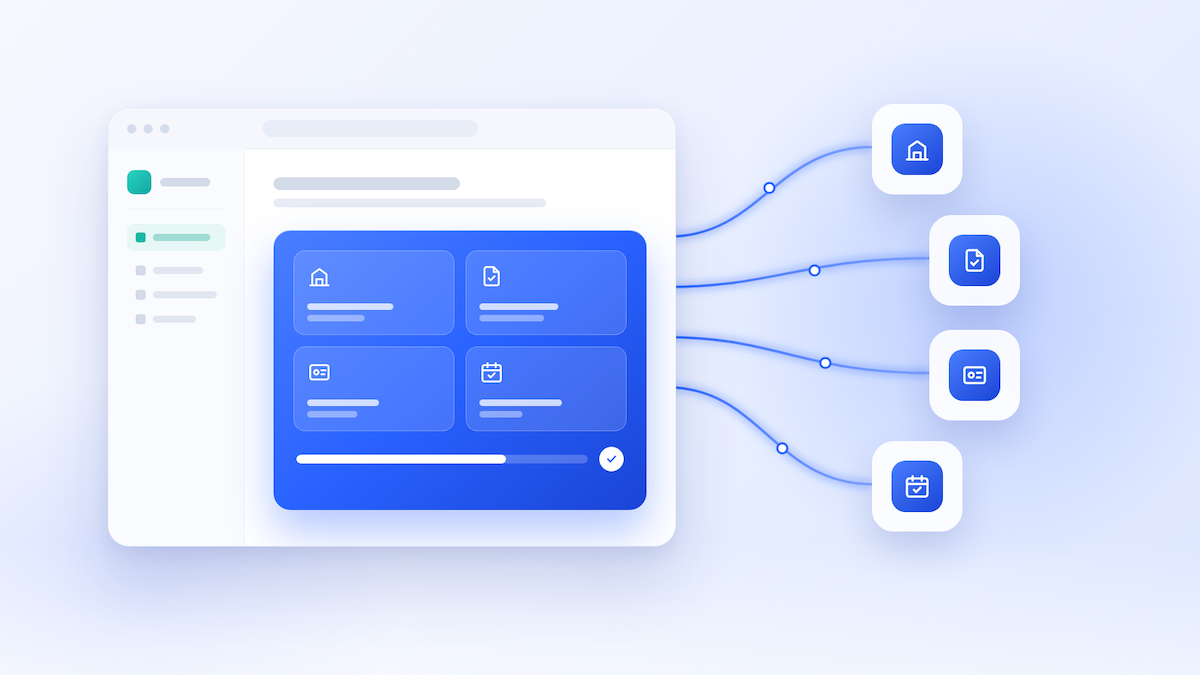
Software providers can add U.S. incorporation and administrative services to their products. Partners choose retail prices, while Clemta runs the underlying operations.
Dubai, UAE - Clemta has expanded its Partner API to give eligible SaaS companies a way to sell U.S. company formation and ongoing business services through their existing products. Software providers can set customer-facing prices while the company carries out the operational work behind each service.
The arrangement offers a potential additional source of revenue for platforms whose customers need business support alongside the software they already use. It does not require a SaaS provider to establish its own incorporation, tax or bookkeeping operation.
A wider product offering without a separate back office
The API was initially built to submit U.S. company formation requests and track their progress. Its enlarged scope includes applications for Employer Identification Numbers (EIN), document management, service orders, tax filings and compliance requirements.
A software company could therefore make a formation service available at an appropriate point in its customer journey, then continue offering relevant support after the business has been established. The services available through the integration depend on the partner agreement. They can include registered agent support, bookkeeping and assistance with tax filing.
For SaaS businesses, that changes the type of transaction they can offer. Rather than relying solely on their existing software product, eligible partners can introduce business services with separately determined retail prices. The arrangement creates scope for additional service revenue without requiring SaaS companies to provide the administrative work themselves.
Through Clemta's white-label model, eligible SaaS partners can offer these services under their own brands, maintaining a consistent customer experience while Clemta handles the underlying operations.
The partner sets the price
Under the model, participating businesses maintain their direct customer relationships and decide how to present and charge for the additional services. Clemta manages the fulfillment operations. The API uses partner-based pricing, and charges are brought together in a consolidated monthly bill.
“For SaaS companies, expanding their services shouldn’t necessarily mean building new operational capabilities from scratch,” said M. İlayda Şencan, CEO of Clemta. “Our Partner API allows them to incorporate U.S. business services into the software their customers already use, while retaining control over pricing and customer relationships. We want to give our partners the flexibility to develop additional revenue opportunities while we manage the operational work behind those services.”
There is no upfront commitment under the stated model. This commercial structure allows partners to evaluate which services fit their products without a separate initial commitment to the program, although access remains subject to eligibility.
Technical changes are intended to support that arrangement. Webhook notifications communicate status updates, while a sandbox gives development teams an environment for testing an integration. Partners also have a dashboard for overseeing services, billing and pricing.
Demand beyond the first filing
Clemta’s own customer figures offer context for the decision to expand beyond incorporation. Among entrepreneurs who established a company through the platform, 92% subsequently used at least one additional service. The reported average was 3.4 services per customer.
Those figures describe existing Clemta customers rather than a forecast for SaaS partners. The expanded API makes that wider range of business tasks available for eligible platforms to incorporate into their own commercial offerings.


Infra, HUMAIN sign two financing agreements worth SAR 2.5B
Monday 9 November, 2026 4:19
Madinah airport expansion slated for Oct. 2027 completion: GACA President
Monday 9 November, 2026 4:38
Agreements signed for SAR 5.66B Wasel Al Haram Project in Makkah
Monday 9 November, 2026 4:35
State Street Advances Saudi Arabia Expansion with Appointment of Hamza Khushaim as CEO and Country Head for Saudi Arabia and Bahrain
Wednesday 11 November, 2026 12:46
Etisalat money, OGold join forces to bring buying and selling gold and silver into everyday digital finance
Tuesday 10 November, 2026 8:00