- Search
- Riyadh26 ° C


Innovation and Regulation: The Dual Path to a Successful Pilgrimage Season
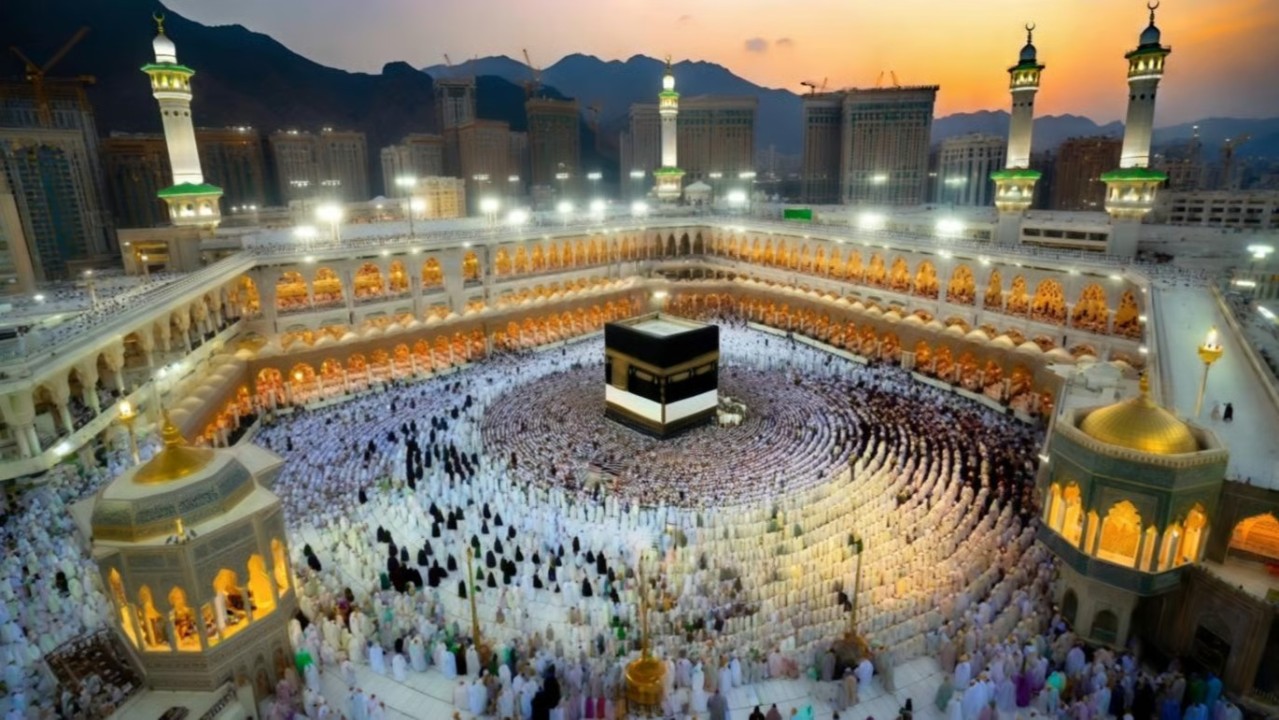
As the global Muslim community turns its eyes toward the holiest city in Islam, the atmosphere in the Hijaz region is one of intense preparation and spiritual anticipation. The latest Makkah News reveals a sophisticated blend of ancient tradition and cutting-edge technology, designed to enhance the experience of millions of worshippers. From the introduction of interactive educational exhibits to the implementation of rigorous new entry regulations, the Kingdom is demonstrating its commitment to a safe, organized, and spiritually enriching environment. This year’s preparations highlight a significant shift toward digital transformation, ensuring that every visitor can navigate the sacred landscape with ease and profound understanding.
Interactive Spirituality: The "Read" Exhibition
Nestled within the iconic Clock Tower at the King Abdulaziz Endowment, a new beacon of knowledge has opened its doors. The “Read” exhibition represents a significant milestone in religious education, offering an interactive journey through the sciences of the Holy Qur’an. This partnership between the General Presidency for the Affairs of the Grand Mosque and the Prophet’s Mosque and the Bayan Association is a testament to how modern media can serve timeless messages.
The exhibition is not merely a collection of artifacts; it is an immersive knowledge experience. Visitors can engage with:
- Interactive Digital Screens: These allow users to explore the linguistic miracles and historical contexts of various verses.
- Rare Qur’anic Manuscripts: A display of historical copies that showcase the artistry and dedication of scribes throughout the centuries.
- Scientific Publications: The presidency has released numerous works that highlight the ongoing efforts to serve the Two Holy Mosques.
Open around the clock, the exhibition ensures that whether a pilgrim arrives at dawn or midnight, they have access to an educational sanctuary that bridges the gap between traditional authenticity and modern innovation.
Streamlining the Sacred Journey through Regulation
While education enriches the soul, organization protects the body. As the Hajj season draws closer, the Saudi government has initiated strict new protocols to manage the flow of people into the holy city. Staying informed through Saudi Arabia news is now a practical necessity for residents and visitors alike, as new permit restrictions officially took effect this Monday.
The General Directorate of Passports has made it clear that residents without valid Hajj permits, work permits for the holy sites, or Makkah-issued resident IDs will be barred from entry. To make this process as seamless as possible, an electronic application system has been launched through the Absher and Muqeem portals. This digital-first approach eliminates the need for physical visits to government offices, allowing domestic workers, investors, and GCC citizens to secure their documentation with a few clicks.
Key Deadlines and Prohibitions
To ensure the safety of those performing the major pilgrimage, several temporary measures have been announced:
- Umrah Suspension: The issuance of Umrah permits via the Nusuk platform will be suspended from April 18 until the end of May.
- Visa Exit Deadlines: Umrah visa holders must leave the Kingdom by Saturday, April 18.
- Entry Bans: All non-Hajj visa holders will be barred from entering Makkah starting next week, with legal penalties awaiting those who attempt to bypass the checkpoints.
Testing the Infrastructure: The 1.2 Million Pilgrim Simulation
Organization on paper is one thing, but execution in the field is another. To prepare for the sheer density of the crowds, the General Transport Center recently conducted one of the largest virtual simulations in the region's history. This exercise modeled the movement of more than 1.2 million virtual pilgrims, testing the capacity and coordination of the transport system.
Using a fleet of 3,000 buses across 15 main routes, the simulation mirrored the traditional movement of the Hajj—from the initial readiness phase in Makkah to the standing at Arafat, the overnight stay in Muzdalifah, and finally the arrival in Mina. This rigorous testing involved 24 different government entities and over 74 transport companies, ensuring that every cog in the massive machine of Hajj logistics is well-oiled and ready for the real-world pressure of the upcoming weeks.
A Vision for Future Pilgrimages
The convergence of the “Read” exhibition and the new e-permit systems illustrates a broader vision for the Kingdom. It is a vision where technology does not distract from worship but rather facilitates it. By automating the permit process and simulating transport flows, the authorities are reducing the physical and administrative stress on pilgrims. Meanwhile, digital exhibits ensure that the intellectual and spiritual preparation for Hajj is as modern as the infrastructure supporting it.
As the Saturday deadline for Umrah departures approaches, the transition into the official Hajj season is palpable. The streets of Makkah are being cleared for the guests of God, supported by a system that is now more efficient, more digital, and more transparent than ever before.
In the End
The preparations for this year’s pilgrimage season are a masterful display of institutional cooperation and forward-thinking management. By balancing strict regulatory enforcement with accessible, high-tech education, the Kingdom is ensuring that the essence of the Two Holy Mosques remains preserved while adapting to the demands of a globalized world. For the millions who will soon walk these sacred paths, the combination of digital clarity and spiritual depth promises a journey that is as safe as it is transformative. Whether through the glow of an interactive screen or the silence of a well-organized prayer hall, the message is clear: Makkah is ready.


HONOR LAUNCHES THE PORTABLE HONOR CHOICE PROJECTOR AIR PRO, EXPANDING ITS SMART ENTERTAINMENT PORTFOLIO
Tuesday 15 September, 2026 10:05
Saudi-Egypt trade exchange hits SAR 444B in 10 years
Tuesday 15 September, 2026 6:22
Money20/20 Middle East Day Two Sees Landmark Saudi-Qatar Payments Agreement as Major Fintech Investment and Expansion Announcements Continue
Wednesday 16 September, 2026 11:59
KoçSistem and KoçDigital sign two new partnerships in Saudi Arabia at LEAP 2026
Monday 14 September, 2026 3:31