
- Search
- Riyadh26 ° C


Renting a Car in Dubai: A Practical Guide for Visitors from Saudi Arabia
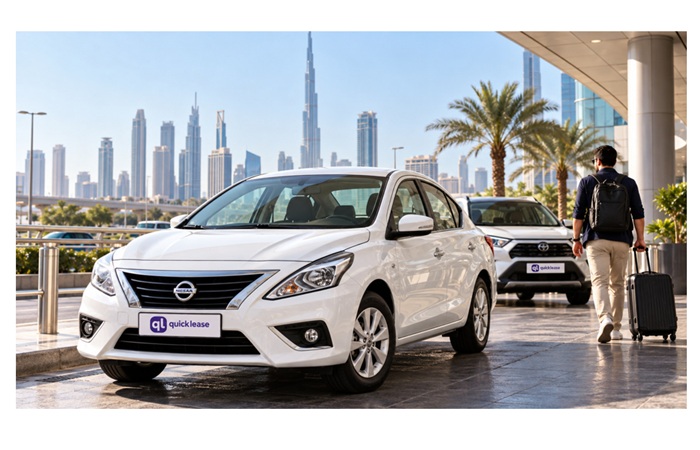
Dubai is a familiar destination for travellers from Saudi Arabia, whether the purpose is a short holiday, a family visit or a business meeting. A rental car can offer flexibility when the itinerary includes several districts, shopping stops or family outings. Before booking, visitors should understand which driving documents are accepted, how rental costs work and what to expect on Dubai roads. A few checks before departure can prevent unnecessary delays after arrival.
Decide whether a car suits the itinerary
Travellers staying close to a Metro station and spending most of their time in one area may be comfortable using trains, taxis and ride-hailing services. Others may want a car for daily appointments, visits to relatives or attractions across different parts of the city.
List the places you expect to visit and how frequently you will travel between them. A realistic itinerary will show whether a rental is useful for the full trip or only selected days.
Verify driving licence eligibility before travelling
A Saudi-issued driving licence is an important document, but travellers should not assume that the same rule applies to everyone holding one. Requirements can depend on nationality, the type of UAE visa or residence status, and the licence itself. The UAE and Dubai transport authorities publish guidance on driving with GCC-issued licences and recognised foreign documents.
Before departure, confirm with the chosen rental company that the named driver is eligible and ask whether an International Driving Permit is required in the particular case. Do not leave this question until arriving at the pickup desk.
Prepare the documents and payment details
A rental company may request a passport, UAE entry or residence documentation as applicable, the original valid driving licence and a payment card. The booking should be under the intended driver’s details, and any additional driver should be declared in advance. Minimum-age rules, young-driver charges and accepted payment methods vary by company and vehicle category.
Keep digital booking information accessible, but carry original documents when required. If several family members intend to drive, have each person’s eligibility confirmed before the agreement is issued.
Compare the complete rental price
When deciding where to rent a car in Dubai, compare more than the figure displayed beside a vehicle. Look at the daily or weekly base rate, refundable deposit, insurance excess, included kilometres, delivery fee and any costs for a second driver or late return. Ask how Salik toll charges, parking fines and fuel are billed.
Read cancellation and extension conditions as carefully as the daily price. For a family itinerary, the cheapest car may not offer sufficient luggage space; for a short business trip, paying for a larger vehicle may add little practical value.
Choose the car around passengers and routes
Economy cars are often practical for two adults spending most of their time within Dubai. Ask about child seats in advance if they are needed, and verify the actual seating capacity rather than relying on photographs.
Consider the distance between accommodation, planned destinations and the return location. If the plan includes travelling outside Dubai, check that the rental agreement permits it and whether additional terms apply.
Understand Dubai tolls and parking
Dubai uses the Salik electronic toll system. Rental companies commonly pass toll transactions to customers according to their own billing terms, so ask whether an administration charge is added. Parking arrangements differ by location: some hotels provide guest parking, while many public spaces are paid or restricted at certain times.
Follow posted speed limits and road signs, allow extra time for busy routes and avoid assuming that navigation estimates account for every delay. For first-time visitors, understanding parking near the hotel and main attractions can be just as important as knowing how to reach them.
Consider a weekly package for a longer visit
Someone staying for several days may prefer one agreement covering the whole trip instead of renewing daily bookings. Comparing weekly car rental in Dubai options can help travellers understand the overall rate, included mileage and return date. However, a weekly label does not automatically guarantee the lowest cost, particularly if the vehicle is only needed for part of the stay.
Quicklease, for example, displays different rental durations, with vehicle-specific rates and terms that should be checked before confirmation. For any provider, ask what happens if a flight changes, an extra day is needed or the agreed return time cannot be met. Request approval for an extension before the original booking expires.
Make airport collection and return easier
If collecting a car near the airport, confirm the precise meeting point, collection hours and any delivery charge. Travellers arriving late at night should check whether staff will be available at the expected time, including if the flight is delayed. Alternatively, a hotel transfer followed by vehicle collection the next morning may be more relaxing for families.
Before leaving the pickup location, inspect the car with the representative, photograph any existing damage and confirm the fuel level. Save the support telephone number and ask about the accident-reporting process. On return, allow sufficient time for inspection and keep a receipt or handover confirmation.
Plan ahead for a smoother visit
For travellers coming from Saudi Arabia, a successful car rental starts before the flight: verify licence eligibility, select a car that fits the group, review the complete quotation and understand the pickup process. With those basics arranged, it becomes easier to focus on the visit itself rather than managing avoidable transport problems.


Remat Al-Riyadh Signs First Contract to Operate Integrated Alternative Mobility Solutions in Riyadh
Thursday 29 October, 2026 10:16
NWC Completes Two Sewer Network Projects in Al-Baha at SR +230m
Thursday 29 October, 2026 6:15
Dun & Bradstreet SAME Brings D&B’s Global AI Capabilities to Local Markets
Thursday 29 October, 2026 10:59
5th Digital Transformation Kuwait Conference 2026 to Accelerate Kuwait’s Journey Towards an AI-Powered Future
Thursday 29 October, 2026 9:05
Rose Rayhaan by Rotana Wins Best City Hotel and Best Hotel View at 2026 Haute Grandeur Global Awards
Thursday 29 October, 2026 3:14