
- Search
- Riyadh26 ° C


The Future of Work in Riyadh (KSA): Unprecedented Demand for Luxury Office Spaces
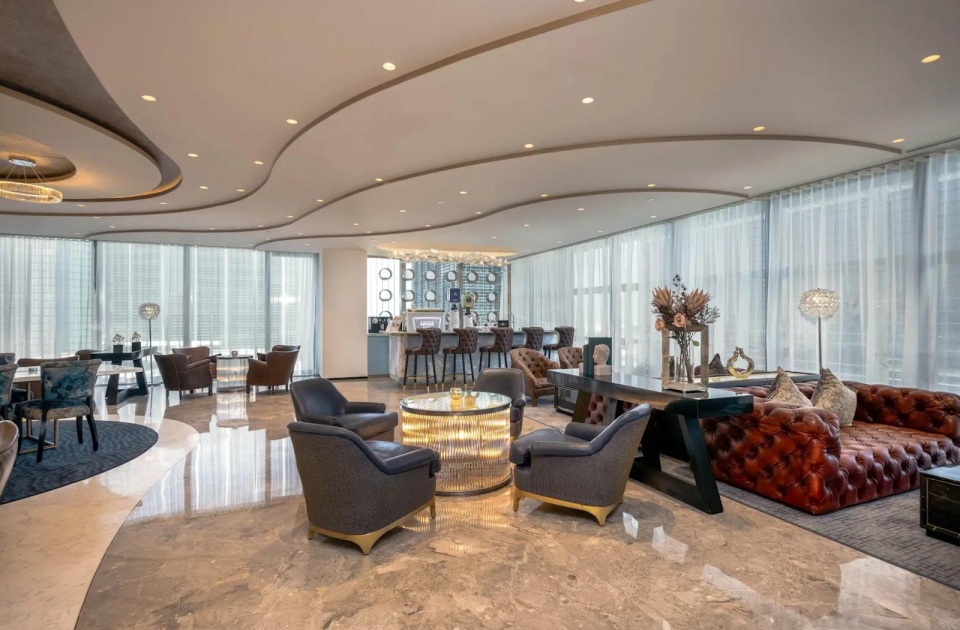
Backed by strong government investment, Riyadh continues to dominate commercial real estate demand in Saudi Arabia. The city is witnessing unprecedented interest in premium offices for rent, but the acute shortage of new developments has put pressure on the market, constraining leasing activity.
Grade-A offices in Riyadh have reached a 98% occupancy rate, which has driven rental prices up by 19% year-on-year. This surge in demand is fueled by the influx of international companies establishing their presence in the city, solidifying Saudi Arabia’s capital as a key business hub in the Middle East, aligning with the goals behind Vision 2030.
Although new offices for rent in Riyadh are already in the pipeline and set for turnover from the second half of 2025, current rental dynamics will continue to favour landlords in the near term.
The Impact of Saudi Arabia’s Regional HQ Policy
Saudi Arabia’s Regional Headquarters (RHQ) Policy has been effective since January 1, 2024, in hopes of diversifying the Kingdom’s economy and reducing reliance on the oil sector. The objective is to attract 480 multinational corporations (MNCs) to relocate their headquarters to the Kingdom by 2030.
The RHQ policy offers strategic incentives for investors, such as exemptions from Saudisation, tax advantages, and expedited visa processing, driving the rapid increase in demand for Grade-A office spaces in Riyadh.
In the first quarter of 2024, over 120 foreign firms, including Goldman Sachs and Frost & Sullivan, have moved their regional headquarters to Riyadh, marking a significant 447% increase from the same period in 2023. Technology, media, and telecommunications companies account for up to 40% of new leases in Riyadh, while consulting and consumer goods firms make up around 20%.
Official announcements have also been made that Saudi Arabia is planning to revise its investment regulatory frameworks in 2025. This plan aims to reduce bureaucratic barriers and enhance investor protection standards.
Demand for Office Spaces in Riyadh Aligns with Vision 2030
Riyadh’s major commercial real estate projects underscore the city’s pivotal role and preparation for Vision 2030. It fosters a modern, business-friendly environment to attract foreign investments and achieve economic diversification. With more companies leveraging the dynamic professional landscape, the demand for offices for rent in Riyadh is only expected to increase.
Surge in Foreign Direct Investments (FDIs)
Saudi Arabia’s real estate market shows strong demand, supported by a significant rise in foreign direct investment. By the second quarter of 2024, FDI increased by 23.4% from the previous quarter, reaching SAR 11.7 billion (approximately USD 3.1 billion)
These positive market trends reflect growing investor confidence and align with the Kingdom’s efforts to diversify its economy. The non-oil sector in Riyadh is projected to grow by 5% this year, contributing to an overall GDP increase of 1.4%, while inflation is expected to remain stable at 1.7%.
Plans to Increase Grade-A Office Spaces in Riyadh
It is becoming evident that Riyadh’s office market is rapidly establishing itself as a regional powerhouse for business development. To supply the demand for private offices for rent in Riyadh, the city plans to develop over 1.6 million square metres of Grade A office spaces by 2028. Renowned projects such as Prince Mohammed Bin Salman Nonprofit City and Diriyah Gate are all set to transform the commercial real estate landscape.
"At TEC, we see this demand not just as growth — but as a clear signal to elevate how we deliver private, high-quality, flexible, and accessible office spaces in key regional hubs like Riyadh," says the Chairman of The Executive Centre, one of the leading providers of versatile workspace solutions that cater to the evolving needs of modern business in the Middle East.
“With business centres strategically placed across the Middle East and Asia Pacific region, we do our best to empower growing enterprises and large multinationals to succeed by offering exceptional workspace experiences that keep up with the dynamic demands of the commercial real estate market”. He added.

Repurposed Real Estate: A Solution to Office Space Demand
Repurposing real estate involves converting a property from its original use to a new function that better meets current market needs. In Riyadh, this approach is both practical and appealing, offering a quick solution for landlords addressing the shortage of premium office spaces. This trend is especially noticeable in the retail sector, where there are more available properties ready for lease.
The Saudi government's strategic initiatives have proven highly beneficial, particularly in Riyadh’s commercial real estate sector, where office occupancy rates have reached nearly capacity. While more plans are underway to address the shortage and meet rising demand sustainably, it remains uncertain when the market will experience conditions that neutralize the current pressures.
Riyadh Continues to Be an Attractive Investment Hub
Riyadh’s high occupancy rates and rising rental values for commercial real estate signify the city’s attractiveness to regional and international investors. Additionally, it is worth noting the significant shift towards flexible workspaces, including coworking hubs and scalable serviced offices. On average, 48% of inquiries regarding offices for rent in Riyadh are for smaller units, less than 250 square meters, underscoring the emerging demand for hybrid working models.


Abu Dhabi Customs continues to support operational sustainability, smooth cargo movement
Thursday 19 March, 2026 9:30
Minister of Economy and Tourism inspects food supply, procurement operations at Carrefour distribution centre
Thursday 19 March, 2026 9:32
ADNEC Group, EWEC partner to power ADNEC Centre Al Ain with clean energy
Thursday 19 March, 2026 9:34
Industry Minister says private sector key to tackling challenges
Thursday 19 March, 2026 9:20